

Bathroom Waterproofing Membrane
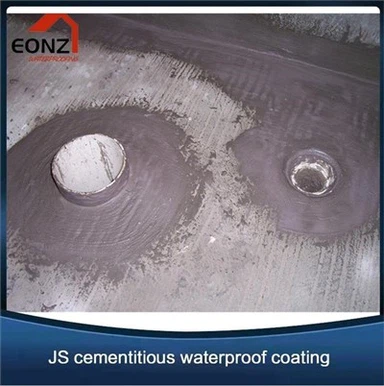
Waterproofing is an important aspect of building construction, especially in areas that are exposed to water, like bathrooms. Bathroom waterproofing membrane is a solution for water leakage prevention. It is a cement-based waterproof coating that is applied to bathroom walls and floors, ensuring that water doesn't seep into the wall or flooring structure.
- Fast Delievery
- Quality Assurance
- 24/7 Customer Service
Product Introduction
Description
Waterproofing is an important aspect of building construction, especially in areas that are exposed to water, like bathrooms. Bathroom waterproofing membrane is a solution for water leakage prevention. It is a cement-based waterproof coating that is applied to bathroom walls and floors, ensuring that water doesn't seep into the wall or flooring structure.
Features
The biggest advantage of JS Cementitious Waterproof Coating is that they can be applied directly to wet and dry substrates. Next, it has good adhesion and water resistance. More unexpectedly, our high bonding strength allows strong bonding to a wide range of mortar substrates. Finally, it is also environmentally friendly, non-toxic, non-hazardous and safe.
Technical Data
|
Implement Standard: GB/T23445-2009 |
|
||
|
NO. |
Item |
Standard |
Result |
|
1 |
Solid content, % ≥ |
≥70 |
81 |
|
2 |
Flexibility at Low Temperature, No Crack, ф10mm Stick |
-10ºC, No Crack |
Pass |
|
3 |
Water Impermeability, 0.3Mpa, 30min |
Impervious |
Pass |
|
4 |
Retention tensile strength MPa≥ |
≥1.2 |
1.9 |
|
5 |
Elongation at break, %≥ |
≥200 |
239 |
|
6 |
Adhesive Strength MPa≥ |
≥0.5 |
0.8 |
Application of Bathroom Waterproofing Membrane
The bathroom waterproofing membrane is applied in a series of layers onto the bathroom surface. The first layer is the primer, which is applied to the surface to prepare it for the membrane application. The primer helps the waterproofing membrane bond to the surface securely.
Next, a thin layer of waterproofing membrane is applied. The thickness of this layer depends on the type of waterproofing membrane being used. In most cases, two layers of the bathroom waterproofing membrane are applied, with the second layer applied after the first has completely dried.
Finally, a waterproofing sealant is applied to the edges of the bathroom surfaces to ensure complete sealing. It is essential to ensure that every joint and corner is sealed with the waterproofing sealant to prevent water leakage.

Recommended usage: 2.5kg/m2·mm
Packaging
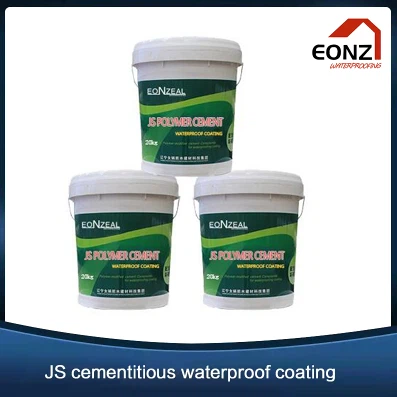
Liquid: 20kg/bucket
Powder: 20kg/bag
Shelf life
The temperature from 5ºC to 40ºC, valid time is one and half a year.
Main Components of Bathroom Waterproofing Membrane
The bathroom waterproofing membrane is a composite of several essential components. The primary component is cement, which is mixed with water to create the waterproofing solution. The cement used in the waterproofing membrane is carefully selected to be able to resist chemicals, moisture, and heat.
Fine sand is another essential component used to create the waterproofing membrane. The sand used is specially selected to ensure that it is fine enough to form a smooth, even layer on the bathroom surface.
Additives like polymers and resins are incorporated into the waterproofing membrane to improve its performance. These additives enhance the waterproofing membrane's flexibility, stability, and adhesion, making it more effective in preventing water leakage.
Hot Tags: bathroom waterproofing membrane, China bathroom waterproofing membrane suppliers, factory, water sealant paint for concrete, waterproof metal paint, waterproof membrane paint, best waterproofing paint for roof, liquid roof membrane, roof sealers waterproofing