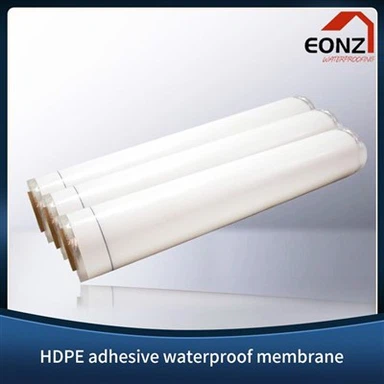
Basement Tanking Systems
Basement tanking systems are crucial for preventing water damage in underground spaces. HDPE—or high-density polyethylene—is a popular material for waterproofing sheeting used in these systems. In this article, we’ll explore what HDPE is, how it’s used in basement tanking systems, and its potential environmental impact.
- Fast Delievery
- Quality Assurance
- 24/7 Customer Service
Product Introduction
Description
Basement tanking systems are crucial for preventing water damage in underground spaces. HDPE—or high-density polyethylene—is a popular material for waterproofing sheeting used in these systems. In this article, we’ll explore what HDPE is, how it’s used in basement tanking systems, and its potential environmental impact.
Where to use
In basement tanking systems, HDPE waterproofing sheets are used to create a barrier between the outside environment and the interior of the basement. This barrier prevents water from seeping into the basement, which can cause structural damage and promote the growth of mold and mildew.
The waterproofing sheets are typically applied to the exterior walls of the basement, but can also be installed on the interior walls if necessary. They are designed to be highly resistant to both water and punctures, ensuring that they will provide long-term protection.
Specification
|
Product Name |
Type |
Thickness |
Roll size |
Color |
|
HDPE liner waterproof membrane |
Smooth/ Textured |
0.2mm-3.0mm |
50/100m/roll or customer made |
Black, White, Green, Blue Etc. |
Data Sheet
|
Thickness (mm) |
1.00mm |
1.5mm-60 mil |
|
Density g/m2 |
≥0.94 |
≥0.94 |
|
Tensile yield strength (N/mm) |
≥17 |
≥22 |
|
Tensile breaking strength (N/mm) |
≥26 |
≥42 |
|
Elongation at break (%) |
≥750 |
≥700 |
|
Tear resistance (N) |
≥125 |
≥195 |
|
Puncture strength (N) |
≥240 |
≥485 |
Production and Application Process
The production of HDPE waterproofing sheets involves extensive quality control measures to ensure that the material is both consistent and of high quality. The sheets are typically produced in large rolls, which are then cut to size for each specific installation.
The installation process for HDPE waterproofing sheets involves first preparing the foundation walls to ensure that they are free from debris and in good condition. The sheets are then rolled out and secured to the walls using a combination of adhesives and mechanical fasteners. Once installed, the sheets are tested to ensure that they are providing the desired level of waterproofing.

Storage and Transportation
1. To avoid causing perforation or physical damage when Moving, transporting and storing.
2. Stored in a cool and dry place, far from spark and open fire.
Environmental Impact
Like most plastics, HDPE does have some potential environmental impact. However, when used in basement tanking systems, its impact is relatively low. HDPE is recyclable and can be reused in a variety of applications, reducing its overall environmental footprint.
Furthermore, the use of HDPE waterproofing sheets in basement tanking systems can actually contribute to sustainability efforts by preventing water damage and extending the life of buildings. By preventing water damage, building owners can reduce the need for costly repairs and replacements, which can have significant environmental impact.
Hot Tags: basement tanking systems, China basement tanking systems suppliers, factory, decothane waterproofing membrane, waterproof membrane for outdoor decks, Fiberglass Reinforced Self adhesive Membrane, hdpe fully bonded waterproof membrane, Rolled packing SBS waterproofing membrane, Self adhesive Asphalt Waterproof Membrane