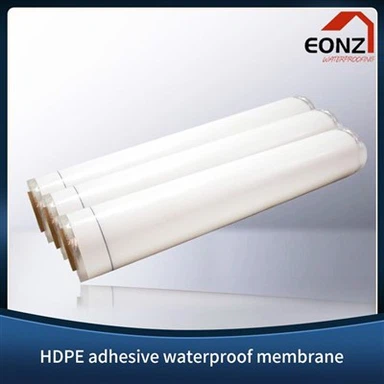
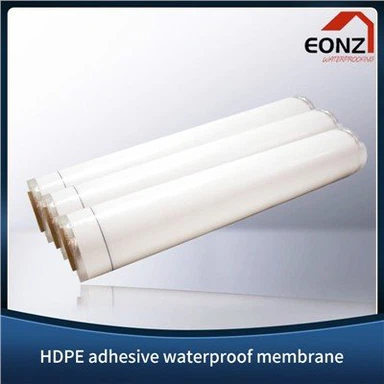
Basement Tanking Membrane
Basement tanking membrane is a type of high-density polyethylene (HDPE) waterproofing membrane. It is a thermoplastic material that features high tensile strength and resistance to ultraviolet rays, chemicals, and water. The membrane is typically sold in rolls and is either self-adhesive or non-adhesive.
- Fast Delievery
- Quality Assurance
- 24/7 Customer Service
Product Introduction
Product Description
Basement tanking membrane is a type of high-density polyethylene (HDPE) waterproofing membrane. It is a thermoplastic material that features high tensile strength and resistance to ultraviolet rays, chemicals, and water. The membrane is typically sold in rolls and is either self-adhesive or non-adhesive.
Properties
The key properties of basement tanking membrane include:
1. Waterproofing - basement tanking membrane is 100% waterproof, preventing water from entering the basement.
2. Durable - The membrane is designed to last for the lifetime of the building and resist degradation from chemicals, UV rays, and other environmental factors.
3. Flexible - HDPE has a high degree of flexibility, which allows it to conform to irregular surfaces and resist cracks and fractures.
4. Self-healing - BTM has the ability to self-heal in the event of a puncture or tear, ensuring long-lasting performance.
Uses
The primary use of basement tanking membrane is to prevent water from entering underground structures, including basements, car parks, tunnels, and subways. BTM can also be used to waterproof swimming pools and other structures that require water resistance.
Specification
|
Length |
HDPE Thickness |
Membrane Thickness |
|
1m/2m |
0.8mm/1.0mm |
1.2mm/1.5mm |
Technical Data
|
Items |
Mean Value |
Test Method |
|
Tensile Strength, Mpa |
25 |
ASTM D412, Modified |
|
Elongation at break, % |
500 |
ASTM D412, Modified |
|
Peel Adhesion to concrete, N/mm |
1.0 |
ASTM D903, Modified |
|
Puncture resistance, N |
1000 |
ASTM E 154 |
|
Hydrostatic Pressure Resistance |
0.7Mpa, 1h No water Leakage |
ASTM D5385-1993, Modified |
|
Water Vapor Transmission ng/ (M2.S.Pa) |
0.40 |
ASTM E96/E96M-16 |
How to Install
There are two main types of BTM installation methods: self-adhesive and non-adhesive.
Self-adhesive BTM is the easiest to install. The membrane is simply peeled off the backing paper and applied to the surface. Non-adhesive BTM requires a more complex installation process, which involves applying a layer of adhesive and then attaching the membrane to the surface.
Before installing BTM, the surface must be clean, dry, and free from any loose debris. All joints and seams must be sealed with a compatible sealant to ensure a watertight seal.
In conclusion, basement tanking membrane is an essential component of any underground construction project. Its waterproofing properties, durability, flexibility, and self-healing abilities make it ideal for protecting basement structures and preventing water damage. When installed correctly, BTM can provide long-lasting water resistance and peace of mind to property owners.
Hot Tags: basement tanking membrane, China basement tanking membrane suppliers, factory, Bitumen Fiberglass Membrane Roll, White TPO Waterproofing Membrane, deck waterproofing membrane, hdpe roofing membrane, hdpe dimpled membrane, waterproof membrane for patio