Comparison of waterproofing materials and roofing engineering
Dec 27, 2023
With the continuous development of science and technology, as a traditional building material, building waterproof materials have also kept pace with the development trend of low-carbon and environmental protection, and a variety of new building materials have emerged. The waterproof function of building waterproof materials can effectively protect the materials (cement and steel bars) from corrosion, thereby preventing the interior of the building from being infringed. It has a certain effect on the energy saving and safety of the building.
There are many types of building waterproofing materials, and their application range is relatively wide. Some building waterproofing materials are suitable for toilets, highways, and garbage collection sites, while others are suitable for building roofing projects. Some building waterproofing materials will be introduced below.
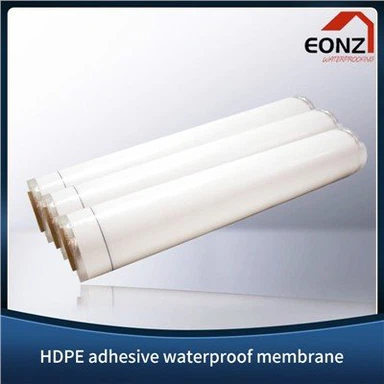
The most important product type among building waterproof materials is waterproof membrane, among which modified asphalt waterproof membrane is a more traditional one. It is mainly used on roofs, and is also used as a root puncture-resistant waterproof layer (with chemical root inhibitors added) for planted roofs. The main construction method used in foreign modified asphalt waterproofing membranes is the laminated type, which has good high temperature resistance. In order to avoid fires at construction sites, a kind of self-adhesive modified asphalt waterproofing membrane has emerged. It is widely used in Northern Europe and has many uses. It can be used as a cushion for sloping roofs, and can be used for underground waterproofing, etc. EPDM rubber waterproofing membrane is widely used abroad and plays a large role in the quality of roof waterproofing, and its product performance is superior. Due to advances in connection technology, its maintenance costs have dropped significantly. PVC waterproof membrane has been used in Europe for 40 years. It uses polymer materials to increase stability. Thermoplastic polyolefin waterproofing membrane is a new type of weldable membrane that can reduce the urban heat island effect, is recyclable and has long-term durability.
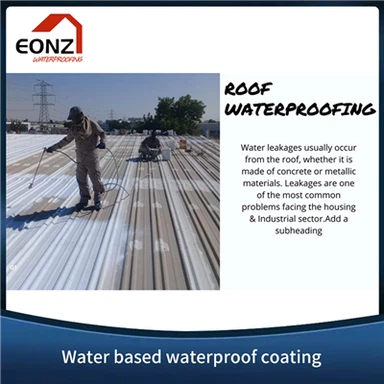
Waterproof coatings (including acrylic, rubber asphalt, polyurethane, etc.) are also one of the commonly used waterproof materials abroad. Among them, the most widely used waterproof coating is polyurethane waterproof coating, which can be used in many building parts, such as underground, roofs, eaves, etc. The main development direction of polyurethane waterproof materials is weather resistance, environmental adaptability and solvent-free type. Acrylic waterproofing materials are most widely used in exterior wall waterproofing and have the best effect. After simple cleaning, most acrylic coatings can be applied directly to the granular covered asphalt membrane. For the protection of some metal roofs, you can choose elastomeric acrylic paint, which can also be used for metal roof repairs. The elastomeric acrylic paint developed in the United States has a long shelf life and has good energy-saving benefits. The most widely used in underground waterproofing is polymer cement waterproof coating, and the frequency of use in underground waterproofing maintenance ranks first. Commonly used polymers include lower-priced EVA and acrylic emulsion with good modification effect.
Building sealing materials are irreplaceable materials in building joint waterproofing projects, among which Japan and the United States use them more. Silicone sealant and modified silicone sealant are the most heat- and cold-resistant among construction sealants, and modified silicone sealant has good weather resistance and is used in the structure of modern curtain wall projects, building joints and bridges. Both are widely used; polyurethane sealant is famous for its good elasticity, and its price is relatively moderate. It has good bonding to the base material and is widely used. Polyurethane sealants include one-component and two-component moisture-curing sealants, which are widely used due to their high cost performance. Polysulfide sealant has excellent oil resistance, low air permeability and solvent resistance. It is widely used in insulating glass and traffic engineering. However, its UV resistance is relatively poor and its weather resistance is also poor. There are also acrylic sealants, which are mainly water-emulsion products and are suitable for caulking of small components.
The advantages and disadvantages of roofing engineering technology mainly reflect aspects such as energy saving, environmental protection and construction safety. The most widely used in foreign countries are single-layer roofing systems and planted roofing systems.
Single-sided roofing system refers to a roofing system that is mechanically fixed, constructed by empty paving and roofing, and the waterproof membrane is exposed. The single-layer roof system is relatively safe, reliable, energy-saving and environmentally friendly, and also has certain waterproof functions. It is widely used in European and American countries, especially the United States. Single-layer roofs account for more than half of slope roofs, and they are increasing every year. Exposed waterproofing membranes such as thermoplastic polyolefin waterproofing membranes and polyvinyl chloride waterproofing membranes are almost always used in single-layer roofing systems.
In order to better and more rationally utilize the building area, building planting and greening has become a relatively trendy roof system technology nowadays. Planted roof systems are widely used in Germany and Japan. It has high requirements on the performance and quality of waterproof materials, and the chemical root inhibitors added to them are also developing in a more environmentally friendly direction.
Heat-reflective roof systems are generally white and mainly reduce the roof temperature by reflecting sunlight. The United States has higher requirements for heat reflective roofing systems. Nowadays, cold noodle houses (mainly used for pitched roofs) are being continuously promoted and have received support from governments of various countries.