Why Roof Underlayment Is Essential for Long-Lasting Roofing Systems
Nov 05, 2026
Role of the Roof Underlayment
A roof is not only made up of its outer surface, but there is another layer that is placed below the outer roofing material and plays a significant role in improving the performance of the roof as a whole.
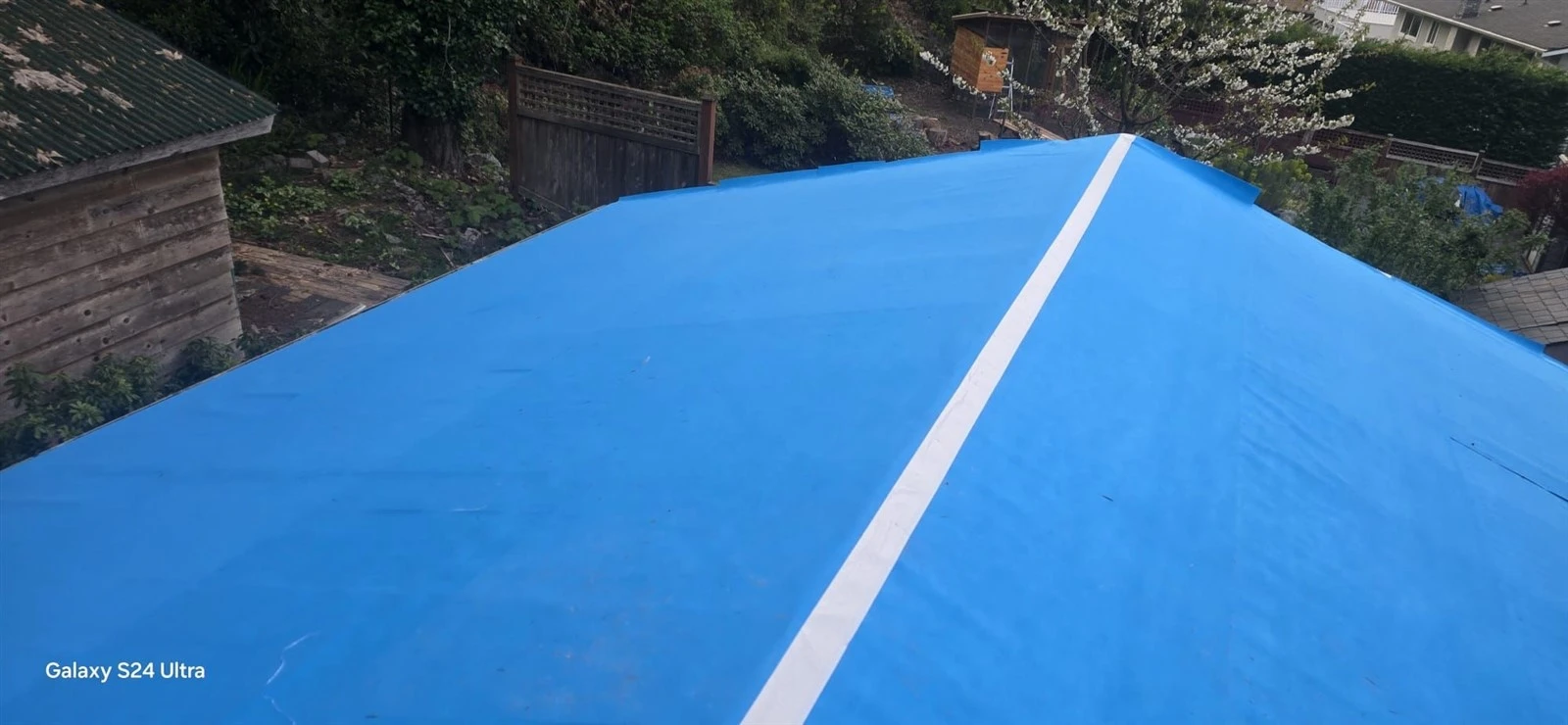
The roof underlayment is put on top of the roof deck and underneath the outer roofing materials. The underlayment serves as an added protective layer that keeps moisture away by providing protection from wind-driven rain, snow, or even unexpected weather that might occur while constructing the building.
As construction techniques continue to evolve, the importance of choosing proper roof underlayment has become more evident than ever before.
Why Is Another Waterproof Layer Needed?
While roofing materials provide protection against elements, there are certain spots where water could easily penetrate.
The most likely penetration areas are:
- Valleys and intersections of the roof
- Eaves and the edges of the roof
- Flashing on chimneys and vents
- Nails' holes
- Overlap between roofing materials
These areas can experience water collection, driving rain, or formation of ice and snow.
Underlayment installed properly creates one more protective layer under the roofing material. It is especially necessary in areas with changeable weather and rainfall.
The Development of Modern Roofing Underlayment Materials
Roofing underlayment materials have included traditional asphalt-saturated felts and other roofing membranes.
There have been ongoing developments in the field of roofing technologies and innovations such as synthetic underlayment, self-adhesive membranes, and reinforced materials.
There are benefits provided by each type of material depending on the type of roof, climate, and construction specifications.
For example, self-adhesive membranes offer a consistent seal, while reinforced materials offer improved handling properties.
Butyl based waterproofing materials are also used in some cases for roofing as they offer both sealing abilities and flexibility.
All these types of materials have been developed because of the focus that has been put on roofs.
Importance of Roof Protection During the Construction Process
Roofing construction usually encounters uncertain weather conditions before the installation of permanent roofing materials. In the meantime, the roof deck continues to be exposed to water. Therefore, the provision of temporary protection becomes an important aspect of planning during the construction process. A proper roofing underlayment will protect the roof deck from exposure during the installation process and also offer further protection once the main roof layer is installed. However, the acceptable period of exposure differs significantly depending on the material used.