Building waterproofing industry relevant knowledge
Jun 27, 2023
Building waterproofing is the process of applying a barrier to prevent water infiltration into a building or structure. The main goal of waterproofing is to protect the building from water damage, which can lead to structural failures and unhealthy living conditions. Waterproofing can be done on different parts of a building, including roofs, basements, walls, and foundations.
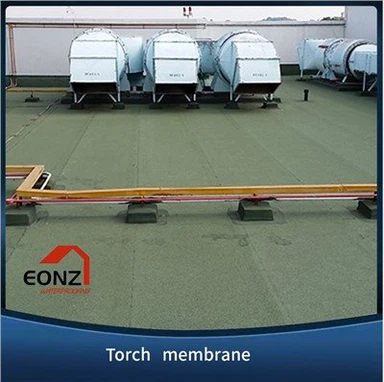
There are various methods for building waterproofing, which include the application of membranes, coatings, and sealants. The most common methods of waterproofing are the use of liquid applied membranes, sheet membranes, and bituminous coatings. Liquid applied membranes are usually spray-applied or roller-applied and are ideal for surfaces that require a high level of flexibility, such as roofs and balconies. Sheet membranes, on the other hand, are often used for below-grade waterproofing applications, such as foundations and basements. Bituminous coatings are also frequently used for waterproofing buildings, particularly on flat roofs.
In addition to these methods, building waterproofing can also involve the use of sealants, which are applied to cracks and joints in the building's structure to prevent water infiltration. Sealants can be used on both horizontal and vertical surfaces, and can be either applied by hand or sprayed on. They can also be either single-component or two-component products, depending on their composition and intended use.
Various factors can influence the success of building waterproofing, including the type of structure being waterproofed, the intended use of the structure, the local climate and weather conditions, and the type of waterproofing product used. For instance, structures subject to frequent heavy rainfall will need a different type of waterproofing than those in arid or desert climates. Similarly, structures that are in constant contact with water, such as swimming pools or fountains, will need specialized waterproofing systems.
Building waterproofing is essential to maintaining the longevity and safety of any structure. A properly waterproofed building not only prevents water damage but also enhances the indoor air quality and comfort of the building occupants. It is, therefore, crucial to engage qualified building waterproofing experts who have a thorough understanding of the various waterproofing techniques and products available and can provide effective solutions to meet specific building waterproofing needs.
In conclusion, building waterproofing involves various techniques and products designed to protect structures from water damage. With the ever-increasing demand for more sustainable building practices, the industry is also evolving to provide eco-friendly and energy-efficient waterproofing solutions. Regardless of the method employed, successful building waterproofing requires careful consideration of various factors, such as the type of structure, intended use, local climate conditions, and the type of waterproofing product used, to ensure a durable and effective water barrier.